
New Zealand doesn’t immediately come to mind when people think of ghost stories. You picture the Lord of the Rings landscapes, friendly locals, maybe a bungee jump. But underneath all that stunning scenery lies a country with a genuinely dark and layered history — one that stretches from colonial violence and tragedy to ancient Māori spiritual traditions that predate European arrival by centuries.
Most travel blogs cover the same five locations in a listicle and call it a day. This article goes further. We’re not only going to walk you through the most compelling haunted places in Aotearoa — we’re also going to explain why these stories endure, what makes them culturally meaningful, and how to actually visit them if you’re brave enough.
Let’s start where the journey ends.
Spirits Bay (Te Rerenga Wairua)
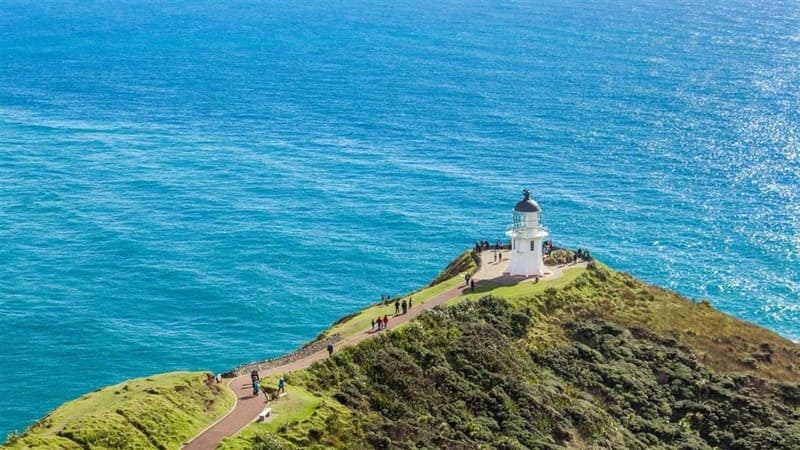
Before we dive into crumbling prisons and blood-soaked hotels, it’s worth beginning with the most sacred haunted place in New Zealand: Spirits Bay, located at the very northern tip of the country.
In Māori mythology, Spirits Bay is said to be the place where the dead gather before departing to the afterlife. According to tradition, the spirits of the deceased travel north along the country’s spine, descend a specific pohutukawa tree at Cape Rēinga, and journey beneath the waves to reach Hawaiki — the ancestral homeland. People claim to have seen figures walking along the beach who disappear at one particular spot.
This isn’t a ghost story born of trauma or violence. It’s a cosmological belief system that has guided Māori communities for generations. The “haunting” here is spiritual by design. Visiting requires a certain quiet respect — this is not a place for ghost tours or Instagram reels. It’s one of the most genuinely eerie locations in the country precisely because its power comes from meaning, not from mystery.
Larnach Castle, Dunedin
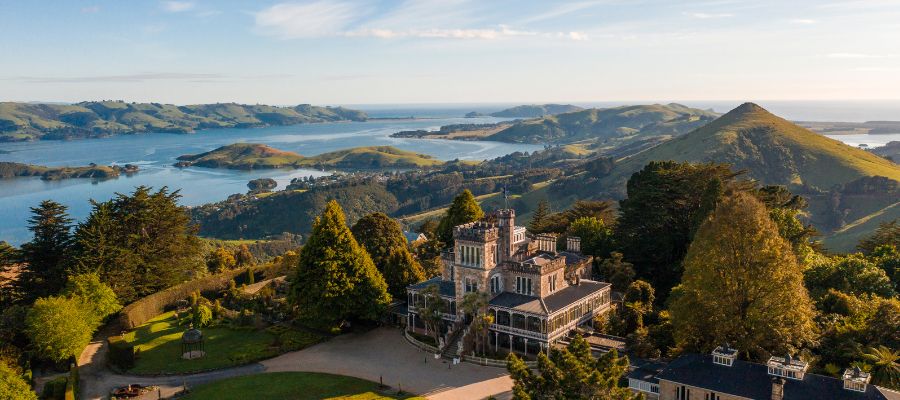
If Spirits Bay is the soul of New Zealand’s paranormal landscape, Larnach Castle is its showpiece. Built in the late 19th century, Larnach Castle — New Zealand’s only castle — is probably the most notable spooky place on the Otago Peninsula.
The Larnach family story is one of the most tragic in New Zealand’s colonial history. William Larnach was a prominent banker and politician who poured a fortune into building the castle. His first two wives died. His third wife had an affair with his son from his first marriage. William’s daughter Katie died from typhoid in 1891 and is said to continue walking the castle’s ballroom, which was added in 1885. As for William himself — he died by suicide inside the New Zealand Parliament buildings in 1898.
Visitors have reported seeing apparitions and experiencing unexplained cold spots in the ballroom where Katie loved to dance. Electrical appliances and taps have reportedly turned themselves on and off.
What separates Larnach Castle from most “haunted” tourist traps is that you can actually stay here overnight. The castle operates as a hotel, and the mix of Gothic architecture, real historical tragedy, and documented paranormal reports makes it one of the most atmospheric stays in the entire Southern Hemisphere.
Napier Prison — 131 Years of Suffering in One Building
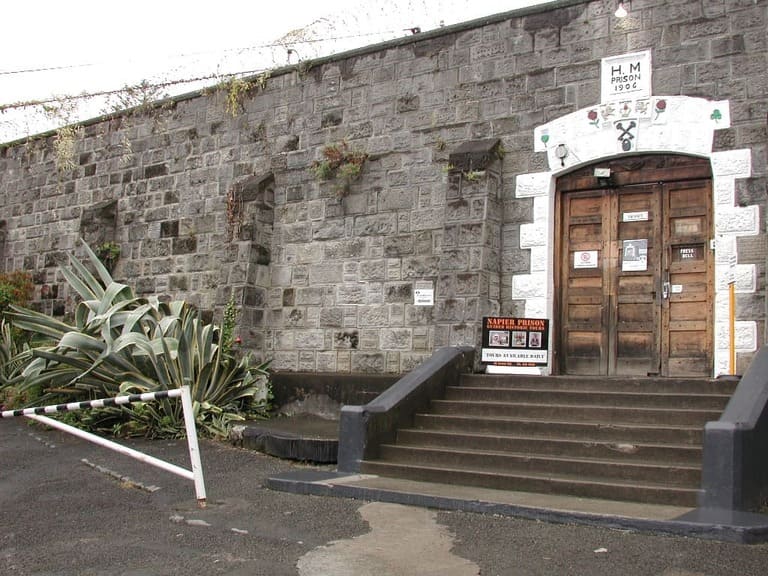
With 131 years of incarceration and execution to its name, Napier Prison is sure to give you a case of the jitters. Operating from 1862 to 1993, this building has served at various points as a prison, psychiatric hospital, and orphanage — three categories of place almost guaranteed to generate ghost stories.
People have claimed to hear footsteps and voices when no one is around, and doors have been reported to open or close by themselves. Many believe the spirit of a former prisoner, Roland Herbert Edwards, still haunts the prison.
A new wing was opened in 1869 to house what was then called “lunatics.” The merging of punitive and psychiatric care under one roof, with little of what we’d now recognise as humane treatment, created decades of suffering baked into those walls.
Today, Napier Prison offers self-guided day tours, night tours, and even an escape room experience. It’s one of the rare haunted sites in New Zealand where commercial tourism has been done thoughtfully — the dark history is not glossed over but actually presented as part of the experience.
The Vulcan Hotel, St Bathans — A Ghost With a Grudge
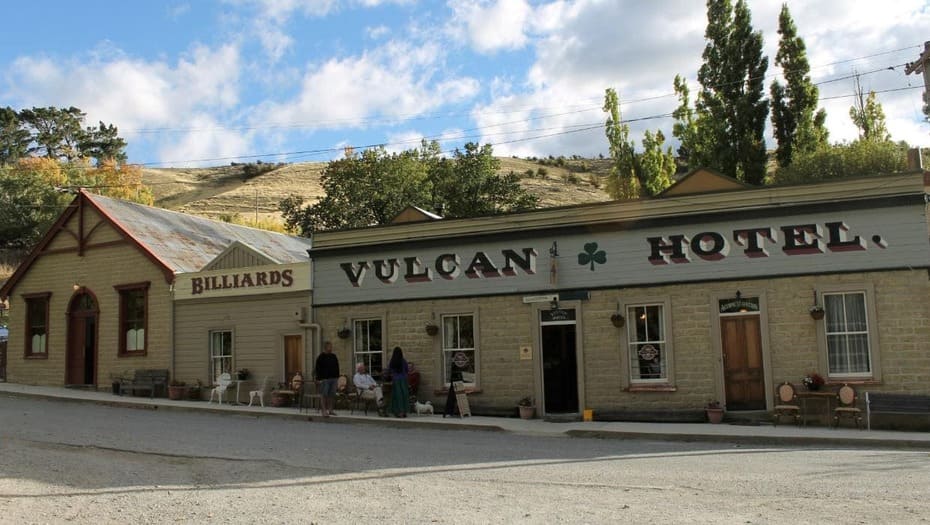
The Vulcan Hotel is a historic building located in the remote mining town of Saint Bathans. Legend has it that a young sex worker stayed in room number one of the hotel during the 1860s before she was murdered. Her name, across most accounts, is given as Rosie or “The Rose.”
The Rose once checked into this hotel alongside a male companion — the next morning she was found raped, robbed and reportedly strangled to death. Now she takes her revenge targeting male visitors, some of whom have felt held down or straddled during their stay.
What makes this story stand out from the typical ghost-of-a-wronged-woman trope is the specificity of the reported experiences. This isn’t vague feelings of unease. Male guests in particular have reported very physical sensations. Whether you believe in ghosts or not, the Vulcan Hotel is one of those places where the atmosphere — remote mining town, 19th-century interior, Central Otago silence — does half the work before anything paranormal has to show up.
The eerie atmosphere, creaky floors, and mysterious locking and unlocking of doors are said to be signs that Rosie is present. The hotel still serves food and drink. You can sit at the bar and decide for yourself.
St James Theatre, Wellington — The Friendly Ghost
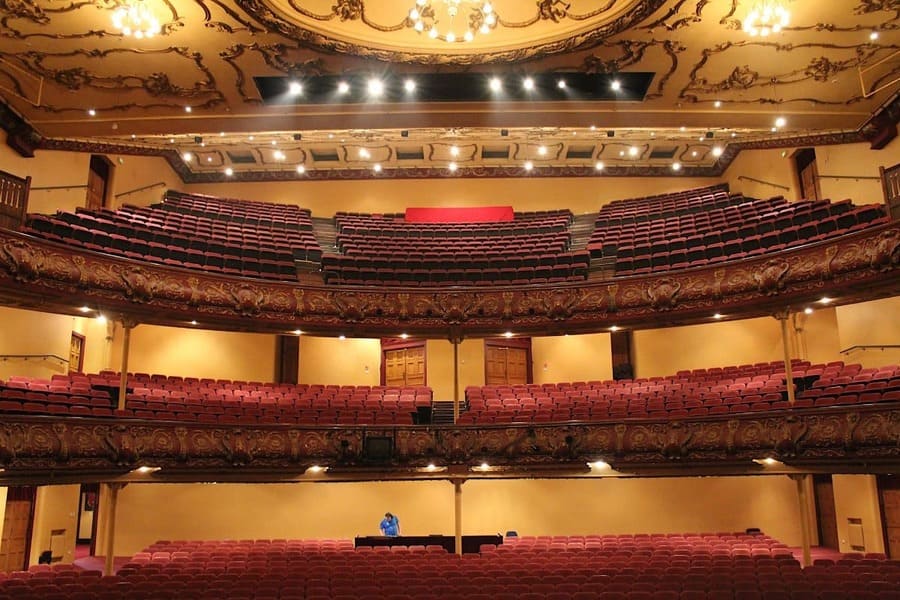
Not every haunted place in New Zealand is dark and oppressive. Wellington’s St James Theatre offers something rarer: a ghost people actually seem to like.
The theatre’s most well-known ghost is Yuri, a dancer who died after falling off the theatre rigging, though some suggest he was pushed by a fellow performer named Pasha. Yuri’s ghost is described across multiple accounts as playful rather than threatening — moving props, flickering lights, occasionally making his presence felt to performers on stage.
Other spirits reputed to haunt the theatre include the “Wailing Woman,” the ghost of an actress. The theatre has been the subject of documentaries and TV investigations, and Wellington’s own official tourism website acknowledges the hauntings — which is not something most cities do.
The St James Theatre is a working venue. You can go see a show and share the space with Yuri. Arguably the most civilised haunted experience on this list.
Kingseat Psychiatric Hospital
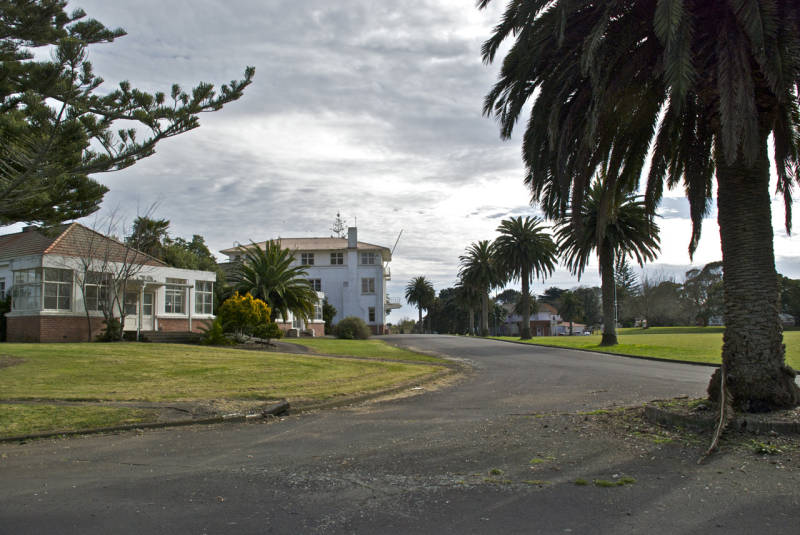
If you ask most paranormal researchers in New Zealand to name one location above all others, the answer is almost always Kingseat. Kingseat Psychiatric Hospital is commonly ranked as the most haunted place in New Zealand, with a sad and troubled past that reflects how far we’ve come — and still have to go — in the treatment of mental illness.
Today, someone had the idea to turn the former psychiatric hospital into a haunted attraction scream park, so visitors never quite know if the spooks they’re encountering are actors or something else entirely.The institution itself has a recorded history of patient deaths, staff suicides, and what were by modern standards deeply inhumane treatment practices.
Sightings of a nurse popularly called the “Grey Lady” have been reported in the corridors. Over a hundred apparitions have allegedly been recorded at the site across various investigations. Whether you treat it as a fun fright night or a genuine paranormal investigation, Kingseat is the kind of place that doesn’t let you fully relax — even in daylight.
The Ōtira Tunnel — A Ghost Just Trying to Get Home
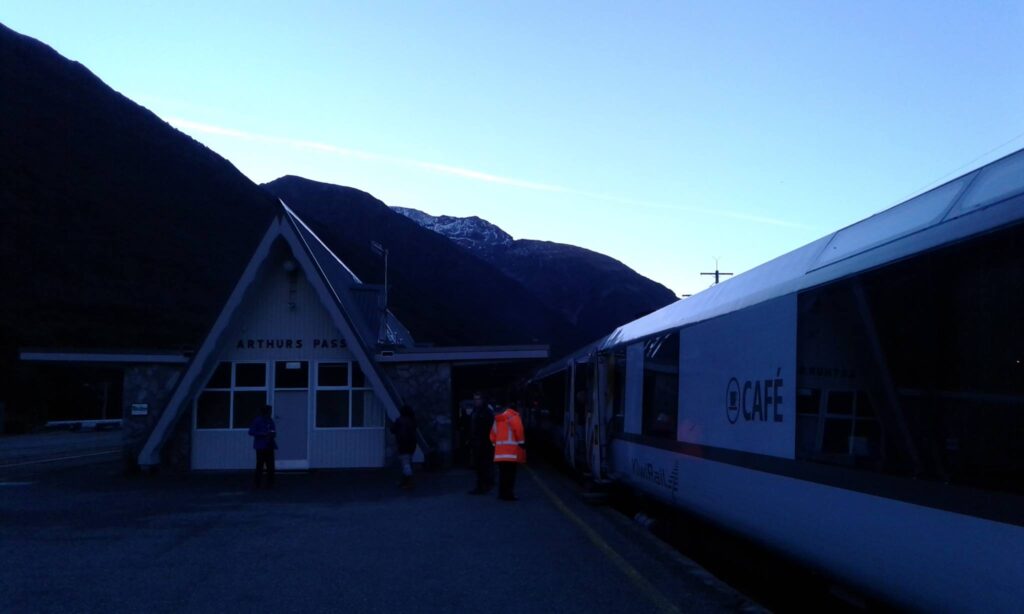
Not all ghosts are menacing. The Ōtira Tunnel on the West Coast has the added fear factor of a ghost who allegedly haunts the railway section — a Scottish construction worker killed while helping to build the tunnel. According to local legend, he’s always spotted travelling east on the Old Coast Road, eternally attempting to get to Lyttelton so he can sail back to Scotland.
There’s something undeniably melancholy about that image. A man who died far from home, spending eternity trying to make his way back. The tunnel itself stretches 8.5 kilometres beneath the Southern Alps — dark, cold, and deeply atmospheric even without the ghost story attached.
You pass through it aboard the TranzAlpine, one of New Zealand’s great scenic train journeys. Most passengers are focused on the mountain views. A few are watching for a lost Scotsman walking east.
What Makes New Zealand’s Ghost Stories Different
After looking at what competitors cover on this topic, a pattern becomes clear: most lists present these places as a checklist of scary things to do on a road trip. The deeper story — why New Zealand specifically has such a rich tradition of haunted places — rarely gets explored.
The answer has at least two layers. First, the colonial period compressed enormous violence, displacement, and trauma into a relatively short window of time. Prisons, asylums, and hospitals from the mid-to-late 1800s were built quickly, run cheaply, and closed reluctantly. The psychological weight of what happened in those spaces doesn’t simply dissolve.
Second, Māori spiritual traditions offer a cosmological framework in which the boundary between the living and the dead is not absolute. Places like Spirits Bay are not “haunted” in the Western sense — they are simply locations where two worlds overlap. That worldview, woven into the landscape for over a thousand years, shapes how all of New Zealand’s ghost stories feel. There’s less Hollywood screaming and more quiet unease. The ghosts here, more often than not, are people who simply haven’t left yet.
That distinction is worth keeping in mind as you plan your visit.